Who Is Liable for a Rideshare Accident in Illinois?
Who Is Liable for a Rideshare Accident in Illinois?
An Uber or Lyft accident can leave you facing medical bills, missed work, and uncertainty about where to turn. Whether you were riding as a passenger, driving another vehicle, walking, or bicycling, one question often comes first: Who is responsible for your injuries?
Liability for a rideshare accident in Illinois depends on how the collision happened and whose conduct contributed to it. The rideshare driver, another motorist, or multiple parties may share responsibility. Separately, the driver’s activity in the rideshare app can determine which insurance coverage applies.
At Mannis Injury Law, we help people injured in rideshare accidents throughout Chicago and Illinois understand their options and pursue compensation from the responsible parties.
Who Can Be Held Responsible for an Uber or Lyft Accident?
A rideshare vehicle’s involvement does not automatically establish fault. Determining liability requires examining the actions that caused the crash and the evidence supporting an injury claim.
The Uber or Lyft Driver
A rideshare driver may be liable when careless driving causes an accident. Examples include:
- Looking at a phone instead of watching the road.
- Speeding or driving too fast for conditions.
- Making an unsafe lane change.
- Failing to yield to a pedestrian or bicyclist.
- Running a red light or stop sign.
- Driving while fatigued or impaired.
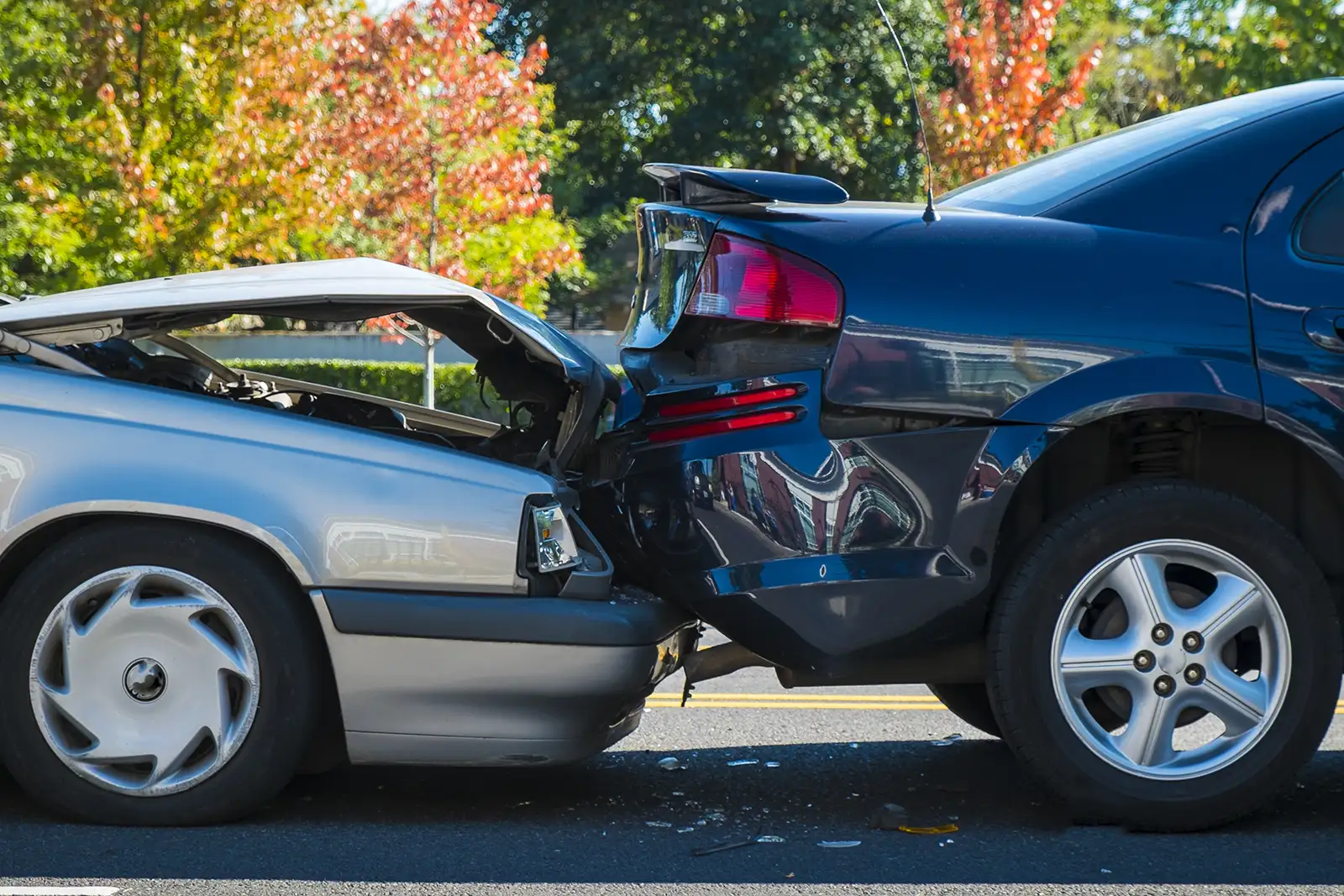
For example, if a Lyft driver looks down at a ride notification and rear-ends another vehicle, that conduct may support a negligence claim. However, investigators still need to review the circumstances rather than assume fault based on the type of collision.
Another Driver
Sometimes another motorist causes the accident. If an Uber passenger is injured when another driver runs a red light and strikes the rideshare vehicle, the other driver may be responsible.
In that situation, a claim may involve the at-fault driver’s insurance. Other coverage may also require review, particularly if that driver has insufficient insurance.
More Than One Responsible Party
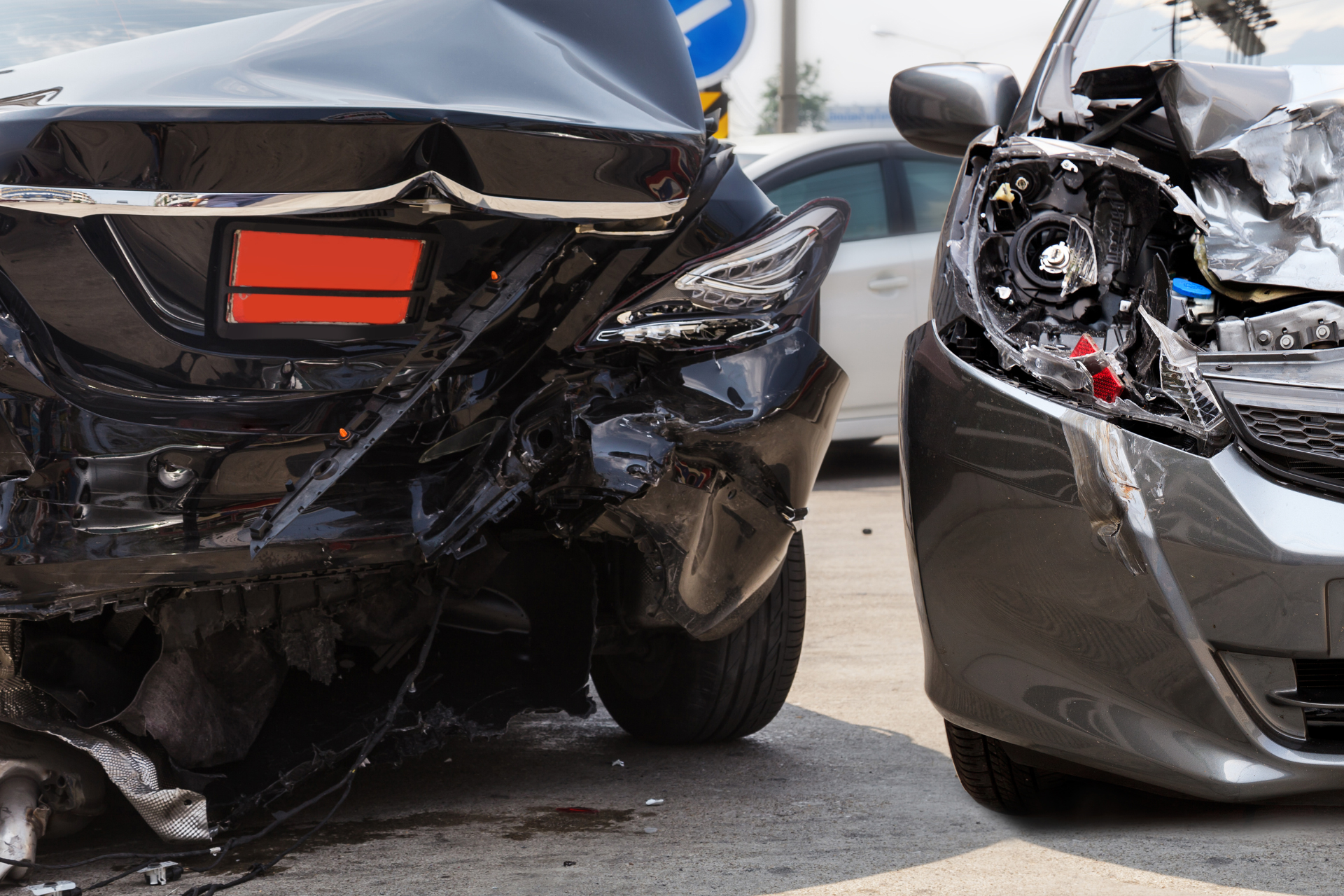
Some crashes involve several contributing actions. A rideshare driver might make an unsafe turn while another driver is speeding. Both drivers’ conduct may need to be examined.
Depending on the evidence, a case may also require investigating a vehicle defect or another party’s role in creating an unsafe condition. Identifying every potentially responsible party helps avoid overlooking a possible source of recovery.
Can Uber or Lyft Be Held Liable?
Insurance coverage associated with Uber or Lyft is different from establishing that the company itself is legally responsible.
A company-associated policy may cover a claim even when the driver’s negligence caused the crash. Whether the company can also be named as a liable party requires a separate evaluation of the facts and applicable law.
Illinois law expressly provides that its rideshare insurance requirements do not limit a transportation network company’s potential liability to the required insurance amount. That provision does not automatically establish company liability in every accident. An attorney must assess the legal basis for any claim against the company.
How Does the Driver’s App Status Affect Insurance Coverage?
A critical part of an Illinois rideshare accident claim is determining what the driver was doing in the app at the time of the collision.
The Driver Was Offline
When the driver is not logged into the rideshare app and is driving for personal reasons, the driver’s personal auto insurance generally becomes the starting point for evaluating coverage.
The Driver Was Online and Waiting for a Request
Illinois law requires liability coverage during this period of at least:
- $50,000 for death or bodily injury per person.
- $100,000 for death or bodily injury per incident.
- $25,000 for property damage.
The law also requires company-maintained contingent coverage when the driver’s policy excludes coverage or does not provide the required limits.
The Driver Had Accepted a Ride
From ride acceptance through completion of the ride or app transaction, whichever occurs later, Illinois law requires $1 million in primary liability coverage for death, bodily injury, and property damage. This includes the trip to pick up the passenger.
These requirements do not guarantee a particular payment. Fault, covered losses, policy terms, and other circumstances still affect the claim.
What If You Were a Rideshare Passenger?
As an injured passenger, you may have a claim against the rideshare driver, another driver, or both, depending on who caused the collision.
You do not need to decide who was responsible before seeking legal guidance. When drivers or insurers give conflicting accounts, evidence can help clarify what happened.
Save your ride receipt, trip details, driver information, and any messages about the crash. Those records can help establish that you were on a booked ride and identify the relevant trip.
What Evidence Helps Establish Rideshare Accident Liability?
A strong claim connects the responsible party’s conduct to the collision and your injuries. Useful evidence may include:
- Photographs of the vehicles, roadway, and scene.
- Witness names and contact information.
- Dashcam or nearby surveillance footage.
- Police crash reports.
- Rideshare trip records and app activity.
- Medical records documenting your injuries and treatment.
- Records of missed work and accident-related expenses.
Some evidence may become harder to obtain over time. Preserving your own records early gives your attorney a clearer starting point for investigating the claim.
Can You Recover Compensation If You Were Partly at Fault?
Illinois follows a modified comparative fault rule. In negligence cases, you are generally barred from recovering damages if your share of responsibility is more than 50%. If your responsibility is 50% or less, your damages are reduced by your percentage of fault.
For example, if your damages total $100,000 and you are found 20% responsible, your recovery would generally be reduced to $80,000. This is an illustration, not a prediction of a particular case’s value.
Disputes over fault can therefore affect both your ability to recover and the amount available.
How Long Do You Have to File a Rideshare Accident Lawsuit in Illinois?
Illinois generally provides a two-year deadline for personal injury lawsuits. The date a claim accrues and any exceptions can affect the calculation, and certain cases may involve different deadlines.
Reporting a crash to Uber, Lyft, or an insurer does not replace filing a lawsuit within the applicable time limit. Having an attorney review your situation promptly can help identify the deadline that applies to your claim.
Speak With a Chicago Rideshare Accident Attorney
Determining liability after an Uber or Lyft accident involves more than identifying the vehicles involved. It requires understanding how the crash happened, reviewing the driver’s app status, and evaluating the available insurance.
At Mannis Injury Law, we investigate rideshare accident claims, identify potentially responsible parties, and help injured people pursue compensation for medical expenses, lost income, pain and suffering, and other supported losses.
If you were injured in a rideshare accident in Chicago or elsewhere in Illinois, call 312-487-3757 or contact Mannis Injury Law to schedule a free consultation.