
How Evidence Helps Prove Distracted Driving in Chicago Crashes
Distracted driving remains a major cause of serious crashes, and proving it requires far more than suspicion. Attorneys rely on digital records, eyewitness accounts, and physical evidence to show exactly how a driver’s attention drifted in the moments before a collision. When these pieces are combined, they help create a clear picture of negligence and support a strong personal injury claim.
Because April is Distracted Driving Awareness Month, it’s a good time to understand how different forms of evidence work together to build a compelling case after an accident.
Digital Evidence: Tracking a Driver’s Device Activity
One of the most effective ways to show distraction is through data generated by the driver’s phone. Call logs, text timestamps, and app usage can help identify whether the person behind the wheel was interacting with their device at or near the moment of the collision. This information alone can provide strong indications of inattention, even without viewing message content.
Accessing this information can be difficult because carriers often delete records quickly and typically require a subpoena. When necessary, attorneys may also use forensic analysis to recover deleted files or review background activity such as GPS navigation, social media browsing, and messaging app interactions. These technical details help strengthen the timeline of distraction.
Social media and location activity can also become valuable evidence. In some cases, drivers post photos, update statuses, or check in during their commute. These actions leave behind timestamps and interaction patterns that show their focus was elsewhere. When paired with phone records, this digital trail helps illustrate how the driver’s actions contributed to the crash.
Eyewitness Testimony and Video: Direct Observations of Negligence
Witness accounts often play a major role in distracted driving cases. Other motorists, pedestrians, or passengers may have seen a driver looking down, holding a phone, or engaging in another distracting activity immediately before the collision. Their statements support digital findings and add important real-world context.
Sometimes witnesses observe behavior just after the crash, such as a driver admitting they were on their phone or a screen still lit on their lap. These details can significantly strengthen a claim by confirming distraction.
Video evidence from traffic cameras and dashcams is also extremely valuable. Footage may show a vehicle drifting lanes, failing to slow down, or a driver physically interacting with a device. Because these recordings are often overwritten quickly—sometimes within hours—swift action is essential to preserve them before they disappear.
Vehicle and Scene Evidence: Physical Signs of Inattention
Modern vehicles are equipped with Event Data Recorders (EDRs), often called “black boxes,” that store crucial information from seconds before impact. Speed, braking, steering, and throttle data help reveal whether the driver reacted to hazards. If the EDR shows no braking or evasive action, it may indicate that the driver didn’t see the danger in time, supporting the theory of distraction.
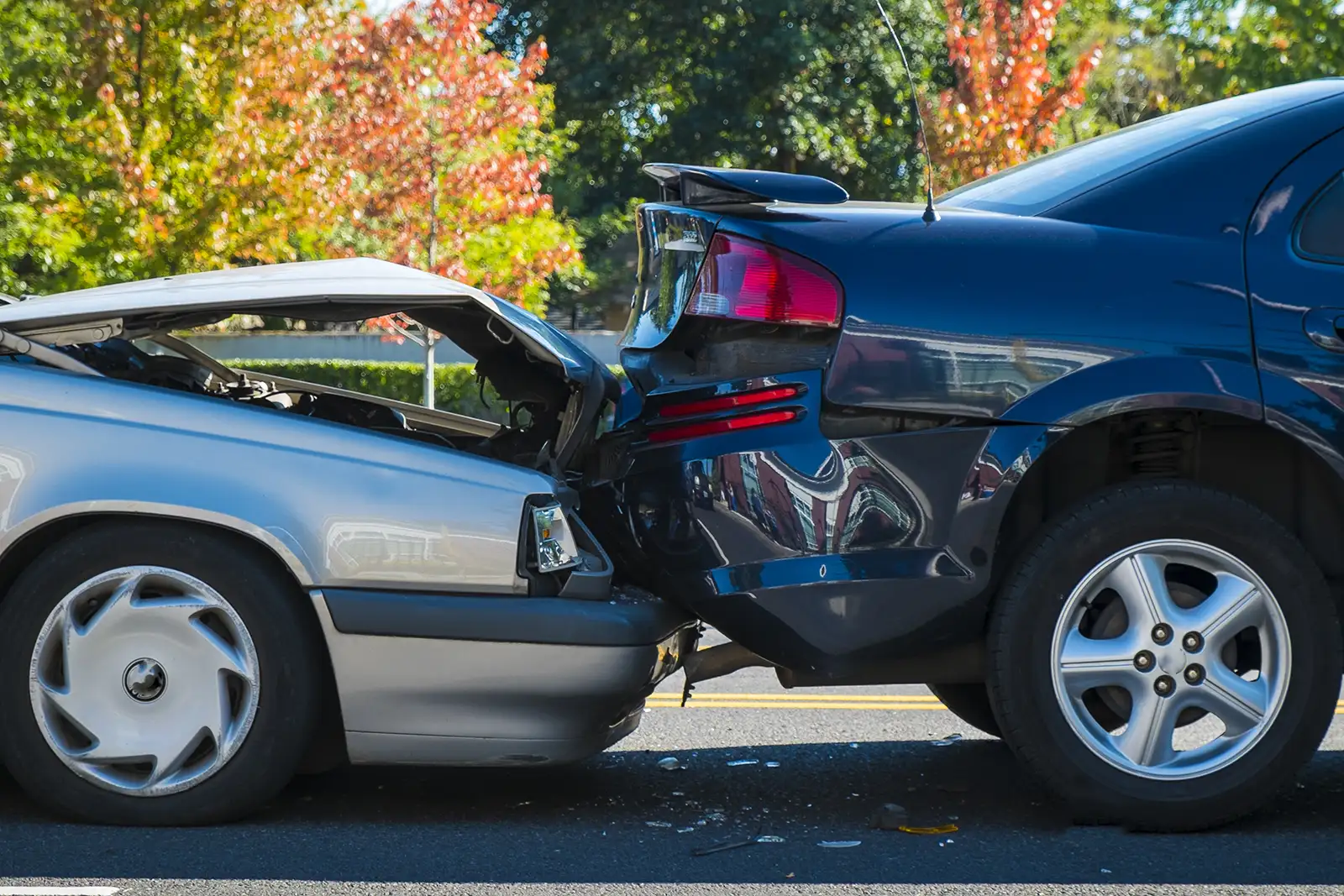
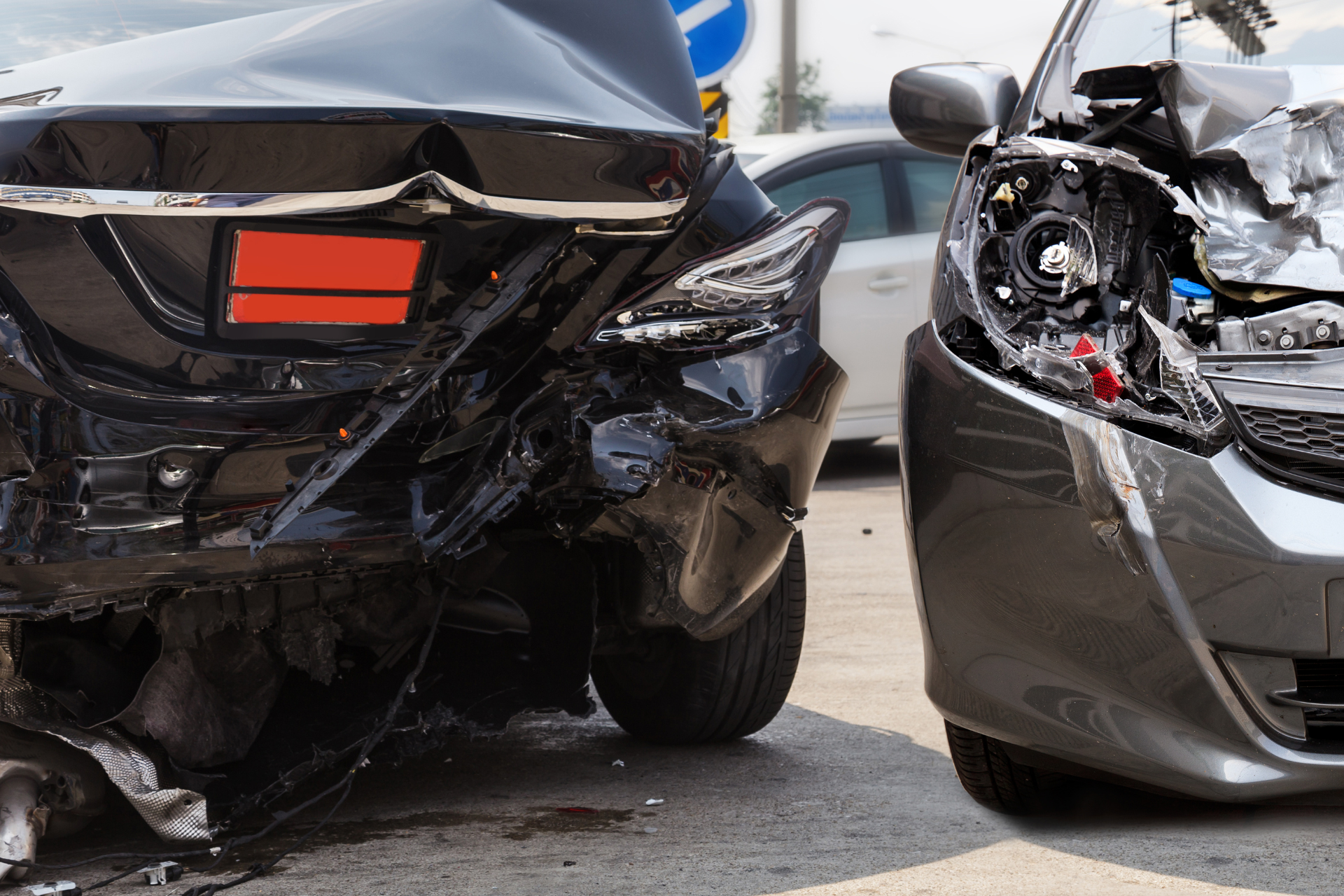
Traditional crash scene investigation remains just as important. Skid marks (or the absence of them), the way vehicles are damaged, and the placement of debris all help explain how the crash unfolded. For example, a stopped car hit from behind without any sign of braking strongly suggests that the at-fault driver wasn’t paying attention.
Accident reconstruction specialists can use this information to recreate the event and determine what actions could have prevented the collision if the driver had been fully focused.
Why Acting Quickly Is Critical
Although all of this evidence is powerful, much of it is extremely time-sensitive. Phone companies, social media platforms, and camera systems regularly delete old data. In some cases, valuable information may be gone within days. Subpoenas and preservation requests also cannot be submitted until a legal claim is formally underway.
Contacting a personal injury attorney right away is essential. A legal team can quickly send preservation letters, request phone and social media data, obtain surveillance or dashcam footage, secure EDR information, and examine the crash site. Any delay increases the risk that key evidence will be lost permanently, weakening the ability to prove distracted driving.
Taking the First Step Toward Recovery
Proving that distraction caused a crash requires prompt and detailed evidence collection. Whether the driver was texting, browsing social media, or using GPS, uncovering these facts can make the difference between uncertainty and a successful claim. Acting quickly helps protect your rights and allows a legal team to gather the information needed to show what truly happened.
If you believe distraction contributed to your accident, it’s important to seek legal guidance as soon as possible. Reaching out to an experienced personal injury attorney gives you the support needed to build a strong, evidence-based case and pursue the compensation you deserve.