How Is Fault Determined After a Car Accident in Illinois?
How Is Fault Determined After a Car Accident in Illinois?
After a car accident, the drivers involved may have different accounts of what happened. One may say the other was speeding, while the other claims a vehicle turned without warning. When injuries, medical bills, and lost income are involved, resolving those disagreements matters.
Fault after a car accident in Illinois is determined by examining the evidence, the drivers’ actions, and whether those actions caused the collision and resulting injuries. More than one person can share responsibility, which may affect the compensation an injured person can recover.
At Mannis Injury Law, we help accident victims throughout Chicago and Illinois understand their rights and pursue fair compensation after crashes caused by negligence.
What Does Fault Mean in an Illinois Car Accident?
Illinois follows a fault-based approach to car accident claims. A person whose negligence causes a collision may be financially responsible for the resulting losses.
A negligence claim generally requires showing that:
- The person owed a duty to use reasonable care.
- The person failed to meet that duty.
- That failure caused the accident and injuries.
- The injured person suffered actual damages.
For drivers, reasonable care involves paying attention, following traffic laws, and adjusting their driving to roadway conditions. Running a red light, making an unsafe lane change, or following another vehicle too closely may support a finding of negligence.
However, identifying unsafe conduct is only part of the analysis. The evidence must also connect that conduct to the collision.
Who Decides Who Was at Fault?
Several people may evaluate responsibility at different stages of a car accident claim.
Insurance Companies Investigate the Claim
Insurance adjusters review the available information to decide whether their policyholder is responsible and whether the policy covers the claim. Their conclusions influence settlement offers and decisions to accept or deny liability.
An insurer’s assessment can be challenged. It does not carry the same authority as a court judgment.
Attorneys Evaluate the Evidence
An attorney can investigate the collision, compare the accounts of those involved, and identify evidence that supports or contradicts an insurer’s position. This review may uncover missing information or an unsupported attempt to assign blame.
A Judge or Jury Can Resolve the Dispute
Many claims resolve through settlement negotiations. If a case proceeds to trial, a judge or jury can determine fault and damages based on the evidence presented. The Illinois Department of Insurance explains that an insurer does not have the final authority to decide disputed legal responsibility.
What Evidence Helps Determine Car Accident Fault?
A clear account of the crash often comes from several sources rather than a single document.
Police Crash Reports
A crash report may contain driver information, witness details, observations about the scene, and information about citations. It can provide a useful starting point for an investigation.
However, a report does not automatically settle civil liability. Officers may arrive after the collision, and additional evidence may clarify details that were unavailable at the scene.
Photographs and Video Footage
Images can help show vehicle positions, damage, lane markings, traffic signs, debris, and road conditions. Dashcam footage or nearby surveillance video may capture the moments before impact.
Preserving footage promptly matters because some recording systems overwrite older material.
Witness Statements
Witnesses may provide information about traffic signals, vehicle movements, or driver behavior. Their observations can help resolve conflicting accounts, although the reliability and completeness of each statement still require review.
Vehicle Damage and Physical Evidence
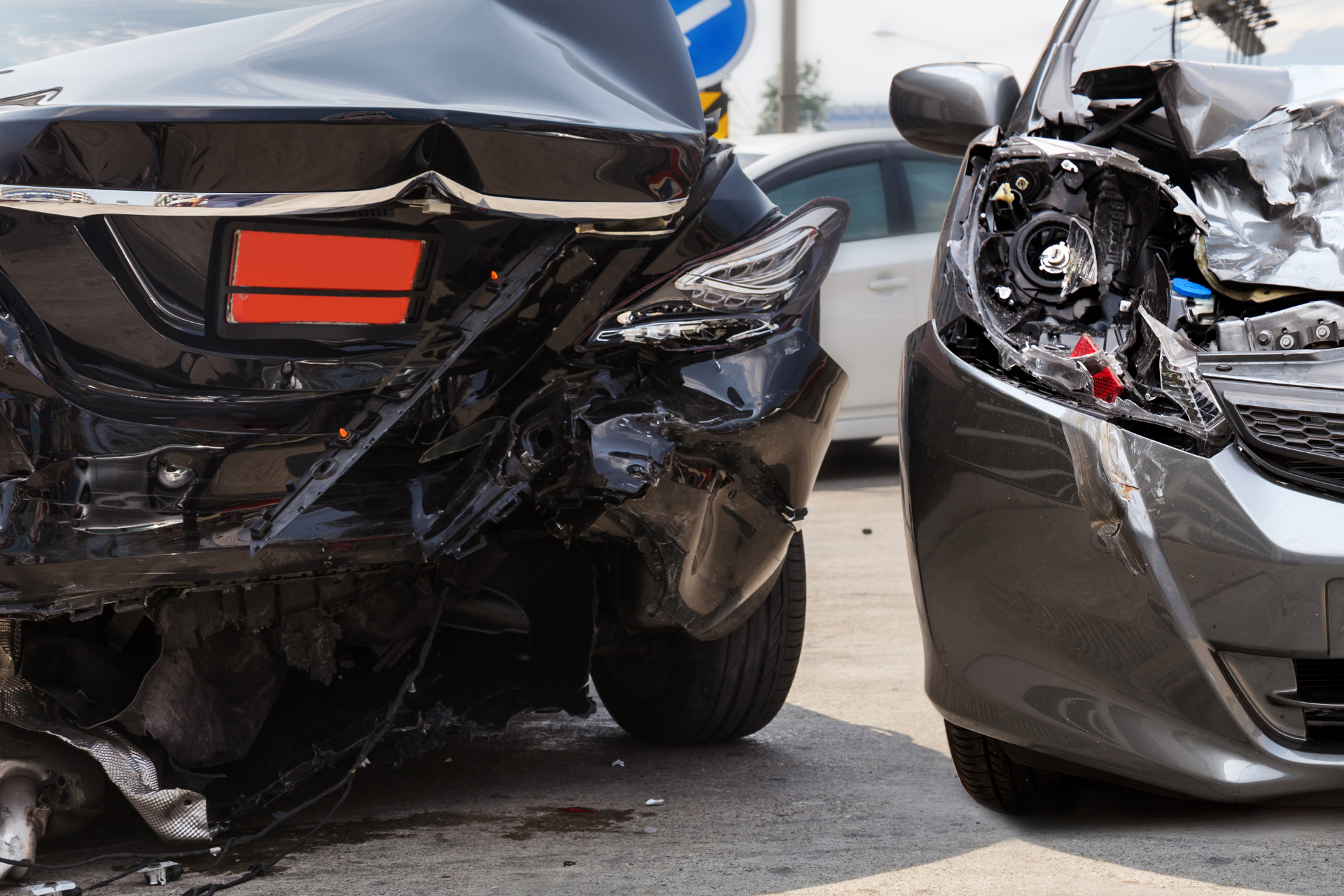
The location and pattern of damage may help explain how the vehicles collided. In a disputed case, a reconstruction analysis may help assess vehicle movements and whether the physical evidence matches a driver’s account.
Medical Records
Medical records primarily help establish the nature of the injuries and their connection to the crash. They support the damages portion of a claim, but generally do not establish which driver caused the collision.
Mannis Injury Law reviews the available evidence when investigating car accident claims and developing a strategy for each client’s circumstances.
Does a Traffic Ticket Automatically Prove Fault?
A citation may identify conduct relevant to the accident, such as failing to yield or disregarding a traffic signal. Still, receiving a ticket does not automatically determine responsibility for every aspect of a civil injury claim.
The investigation must consider whether the alleged violation contributed to the crash and whether another person’s conduct also played a role.
Similarly, the absence of a citation does not necessarily mean that no one was negligent. A claim may depend on evidence gathered after the initial police investigation.
Can More Than One Driver Be at Fault?
Yes. Illinois applies a modified comparative negligence rule, allowing responsibility to be divided among the parties involved.
Under 735 ILCS 5/2-1116, an injured person is generally barred from recovering damages in a negligence action if their share of fault is more than 50%. If their share is 50% or less, their damages are reduced in proportion to their responsibility.
For example, if your damages total $100,000 and you are found 20% at fault, the amount would generally be reduced to $80,000. This example illustrates the rule rather than predicting a particular claim’s value.
Because a fault percentage can significantly affect recovery, the evidence supporting that percentage deserves careful review.
How Is Fault Evaluated in Common Accident Scenarios?
The type of collision can guide an investigation, but it does not replace reviewing the facts.
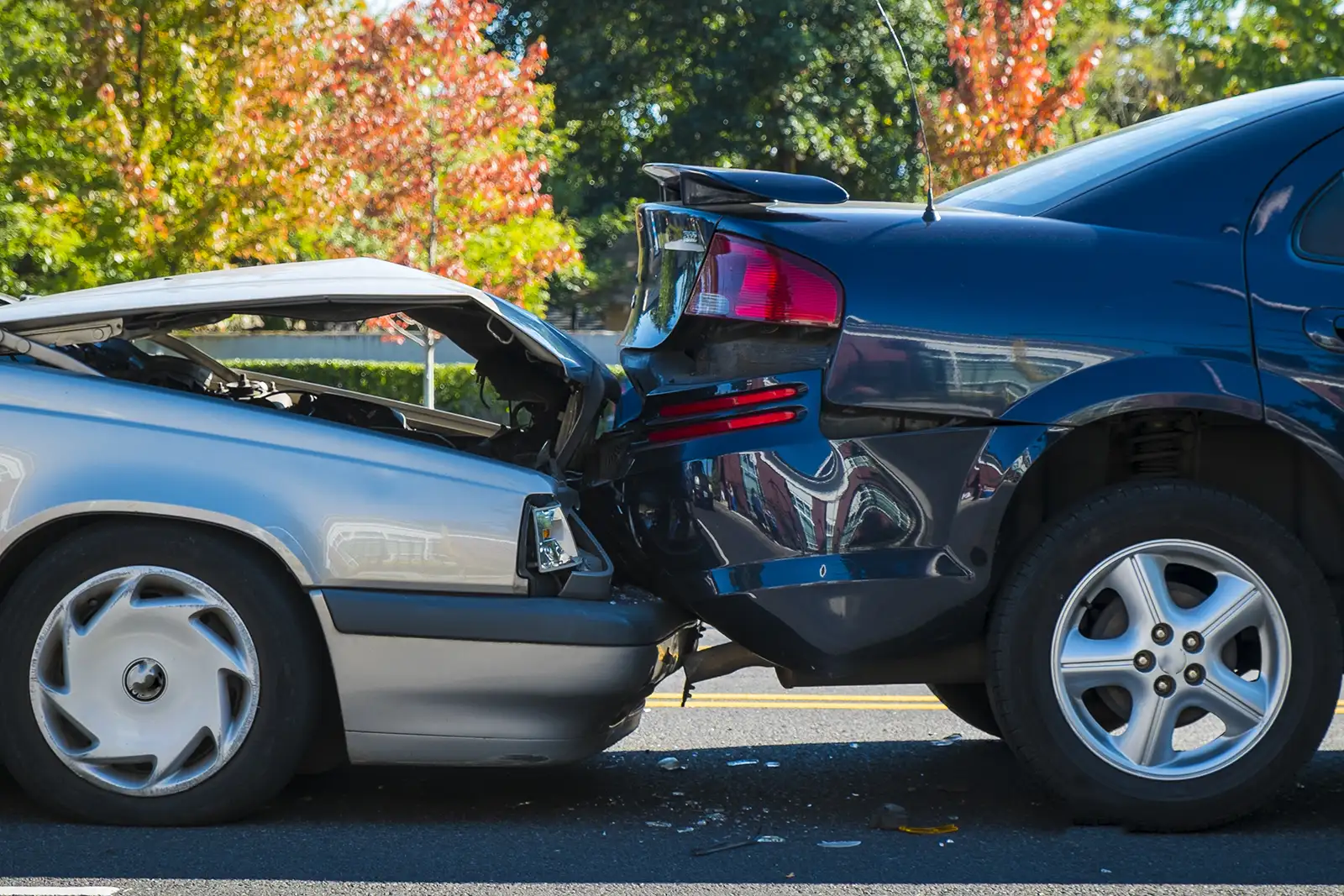
Rear-End Collisions
Investigators may examine following distance, speed, braking, traffic conditions, and whether a vehicle changed lanes immediately before impact.
Intersection Accidents
Important questions include which driver had the right of way, the traffic signal’s status, and whether someone turned across another vehicle’s path.
Lane-Change Accidents
Evidence may help establish whether the driver checked for nearby traffic, signaled, and had sufficient room to move safely.
Multi-Vehicle Crashes
A chain-reaction collision may require determining the sequence of impacts and whether separate actions contributed to different injuries or damage.
These examples show why assumptions about fault should be tested against the evidence.
What Should You Do If You Disagree With an Insurance Company?
If an insurer assigns you responsibility that you believe is unsupported, ask for an explanation of the decision and preserve the information relevant to your claim.
Helpful steps include:
- Keeping photographs, video, and witness contact information.
- Saving correspondence from insurance companies.
- Giving accurate accounts without guessing about details you do not remember.
- Maintaining records of treatment, expenses, and missed work.
- Seeking legal guidance before signing a settlement release.
Signing a release can affect your ability to pursue additional compensation. An attorney can review the insurer’s position, identify gaps in the investigation, and explain the options available if negotiations do not resolve the dispute.
Speak With a Chicago Car Accident Attorney
Determining fault requires more than comparing the drivers’ statements. A thorough review considers the physical evidence, traffic conditions, and how each person’s actions contributed to the collision.
At Mannis Injury Law, we provide personalized representation to injured people throughout Chicago and Illinois. We investigate accident claims, handle insurance communications, and pursue compensation for supported losses, including medical expenses, lost income, and pain and suffering.
If you were injured in a car accident and have questions about fault, call 312-487-3757 or contact Mannis Injury Lawto schedule a free consultation.